

 Nederlands
  Español
and enjoy the beautiful nature even more. Traveling has the necessary impact on our climate and nature. To contaminate them as little as possible and enjoy them as long as possible, we have listed a series of tips to travel more sustainable:
1. Compensate the CO2 emissions of your trip
Every holiday you book with us includes 100% compensation of your CO2 consumption during your stay with us. We do this supporting the ‘Trees for All’ foundation.
In addition to your stay, you can also choose to compensate for your trip. Are you coming by plane? You can offset the emissions of your flight just for a few euros. It is also possible to opt for climate compensation at some car or travel insurances. An extra amount will then be charged for your car trip(s).
Do you drive an electric car? Recharge it during your stay in Perarrúa, Campo or Benasque.
2. Activities nearby your accommodation
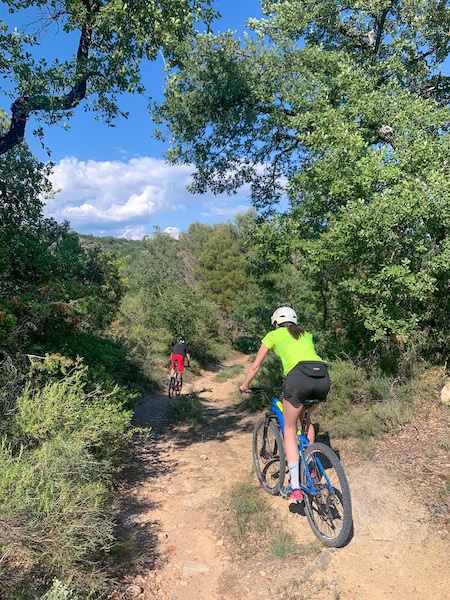
During your stay you probably have some adventurous outdoor activities plannend, but you might also have some day to ‘chill’. In the neighborhood of your accommodation there are beautiful villages and cool swimming spots to visit on foot. Or explore the area on a bicycle.
Before departure and during your stay, we’re happy to share local tips you can undertake in the vicinity.
3. Conscious use of electricity
Not only at home, but also at your holiday destination, it is good to be aware of your electricity consumption. Turn off the lights and air conditioning when you don’t need it or when you leave your Safari tent, hotel room or apartment. Also prevent ‘standby’ consumption by removing unused chargers from the socket.
4. and of water
Do not leave the (warm) water tap open unnecessarily or try to take shorter showers.
At the Chill-Outdoor campsite we use solar panels to heat the water. These have a limited power, be aware of this and use the water responsibly. And did you know that we now also have an outdoor shower? Great for refreshing on a hot summer’s day!
5. Respect the rules of national parks
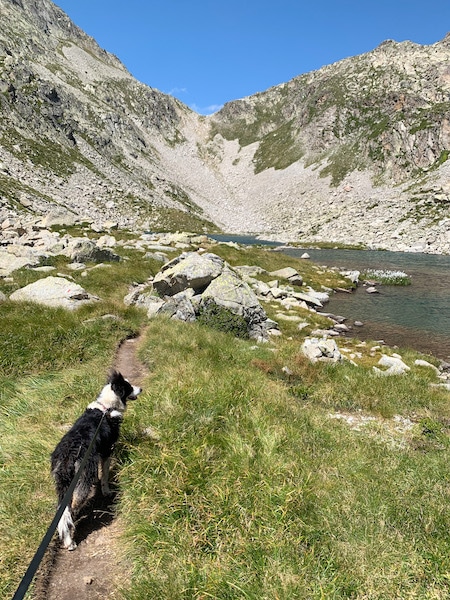
You may be wondering why your dog should be on a leash at all times? This is not because the rangers don’t like your pet, but because they want to protect the park’s flora and fauna. When dogs go off trail, they spread odors and other feces that disrupt wildlife (and reproduction). It is also possible that they cause stress in cattle living in the mountains. Plants can be damaged by fungus or bacteria transferred by pets.
6. Choose quality and buy local
Support local producers and choose products from the area. How about the wines or olive oils from the Somontano region? These businesses are often run by families. Not only a lot of time and attention go into the homemade products that you buy, you also contribute to the local economy and the consumption of ‘kilometer 0’ (0 miles).
7. Reduce your tourism footprint and take your waste with you
Recycle your waste, avoid plastic packaging where possible and reduce food waste. Planning a hike, trekking or cycling trip? Keep your environment clean. Always carry a rubbish bag with you, in which you can take your waste. If you come across someone else’s trash on the way, you will certainly give nature a hand if you also take this left behind waste with you.
8. Pick one specific area you want to explore
Limit your emissions by driving fewer miles. Check in advance which places you would like to see and how you can best combine them. Or deliberately choose to visit one specific valley. This way of sustainable travel is also known as ‘slow travel’. You literally travel in a lower gear: it’s not about ticking off as many highlights as possible, but you take the time to be somewhere, experience this place and get to know the local people and their culture.
9. Refill your bottle and taste the mineral water of the mountains
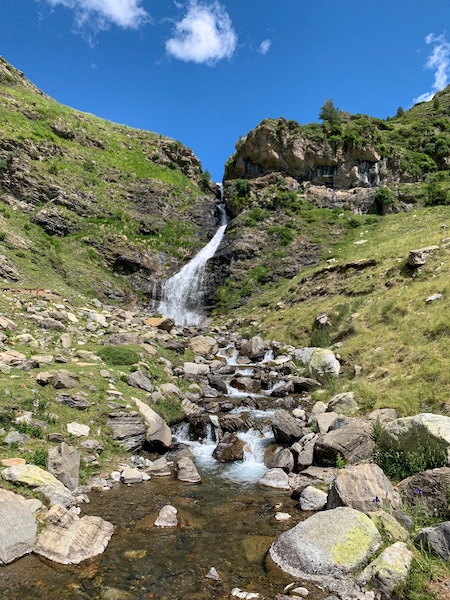
The Pyrenees offer a multitude of sources to refill your water bottle. The springs of the clear and ice cold water can be found in villages and areas near hiking trails. Formerly – and still – these sources were used by the inhabitants of the area. Besides being sustainable, it’s free.
Do you have any more tips for sustainable travel? Share it with us and your fellow travelers on our social channels or send us a message.